Skip to content
SciCommBites
Sign up for our mailing list:
  • all postsExpand
    • research
    • beyond the research
    • crossposts
    • current events
    • announcements
  • about usExpand
    • about us
    • the team
    • write for us
    • the science bites galaxy
    • contact
  • subscribe
Linkedin
SciCommBites
Sign up for our mailing list:
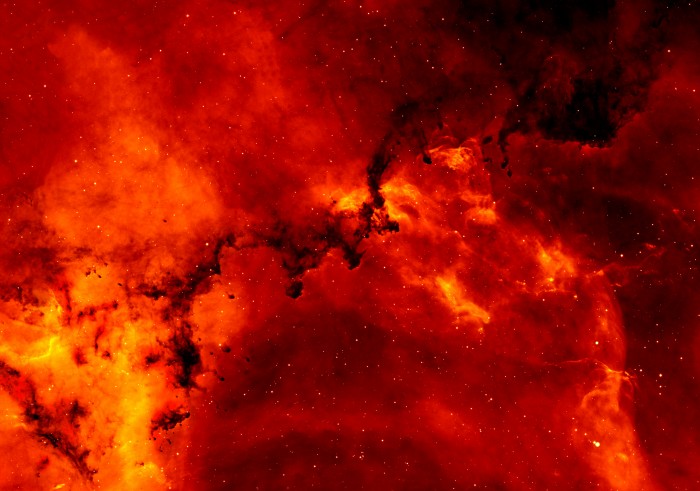
  • An astronomical image of hydrogen and dust in the Rosette Nebula of the Milky Way Galaxy is pictured. The picture of the nebula is in reds, bright filaments of orange, and dark clouds. There are also bright dots of white light scattered throughout.
    Research

    Oohing and Aahing: Establishing Awe as a Learned Behavior

    ByMariella A. Mestres-Villanueva June 11, 2025June 16, 2025

    Using awe to engage an audience in science might not be so awesome after all.

  • We(men) in science – Understanding the matilda effect in science communication
    Research

    We(men) in science – Understanding the matilda effect in science communication

    ByMahima Samraik July 12, 2023October 19, 2024

    Matilda effect in science communication: Male authors seen as producing higher scientific quality and more collaboration-worthy than women.

SciCommBites © 2026, a Science Bites project in partnership with the Science Communication Trainers Network, is licensed under CC BY-NC 4.0 - Privacy Policy

Scroll to top
  • all posts
    • research
    • beyond the research
    • crossposts
    • current events
    • announcements
  • about us
    • about us
    • the team
    • write for us
    • the science bites galaxy
    • contact
  • subscribe
Search