
Guess Who? Scientist Edition
“Effective science communication isn’t just about explaining research clearly—it also requires making expertise easier to recognize.”
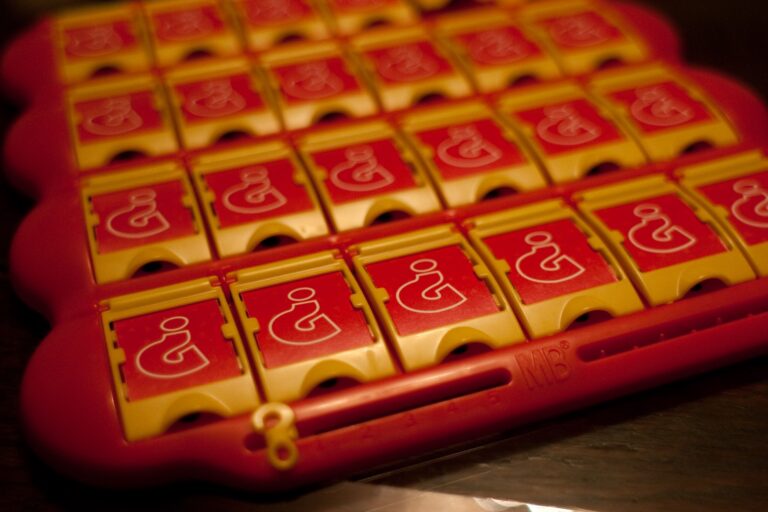
“Effective science communication isn’t just about explaining research clearly—it also requires making expertise easier to recognize.”
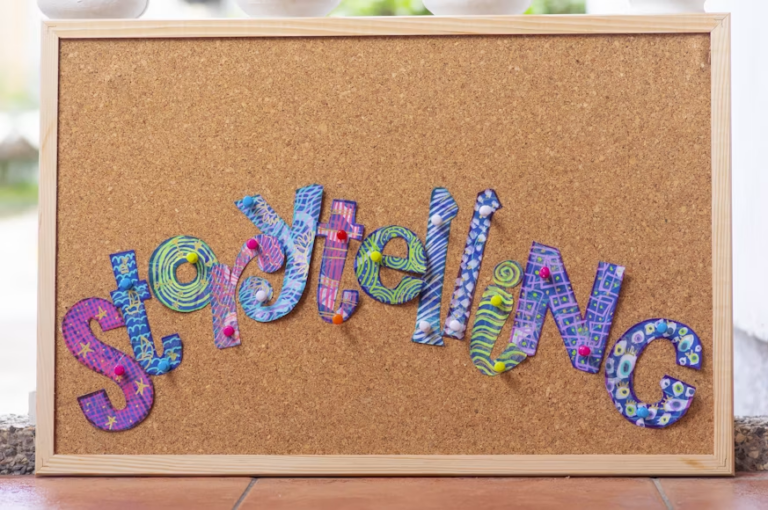
“there is no straightforward recipe for crafting an effective story […]. Storytelling remains an art, not a formula.”

“… research that’s psychologically close tends to be viewed more positively, with less skepticism, and as more credible.”

“When users can actively shape what they see, such as on Reddit, they are actually less isolated. It’s platforms with hidden, unchangeable algorithms, like Facebook and Twitter (editor’s note: now X), that lock us into segregated bubbles.”
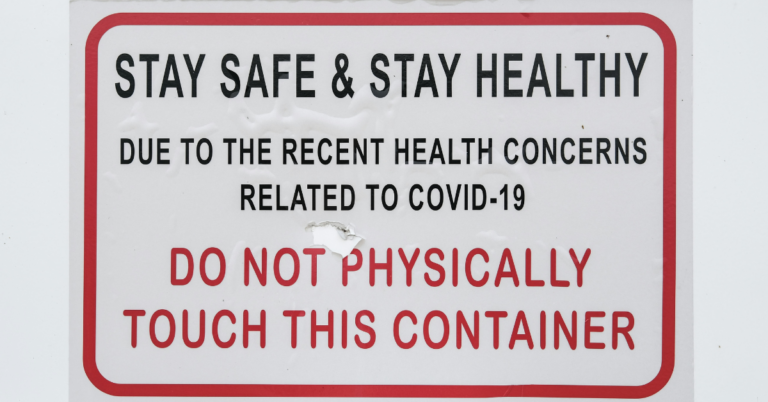
Across 84 countries, loss-framed messages increased anxiety but provided little to no additional benefit in promoting COVID-19-protective attitudes and actions compared to gain-framed messages.
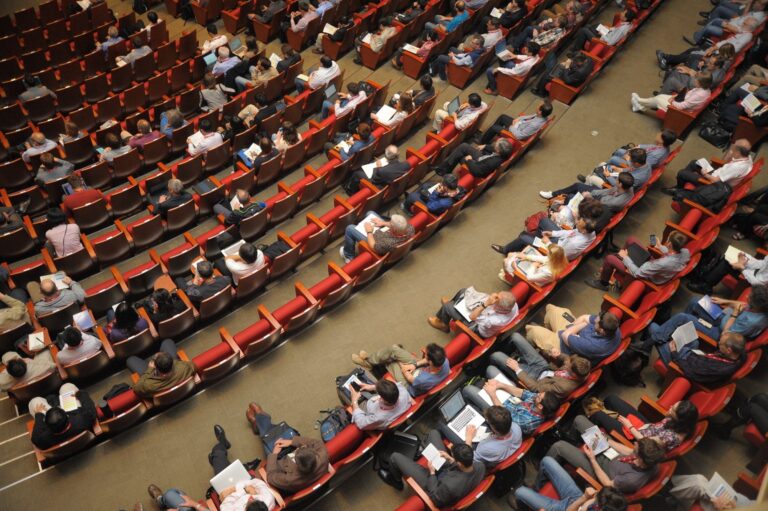
“Even though risks exist, humour should have a place in scientific presentations. All scientists, they argue, should be allowed to bring their authentic selves into professional spaces.”
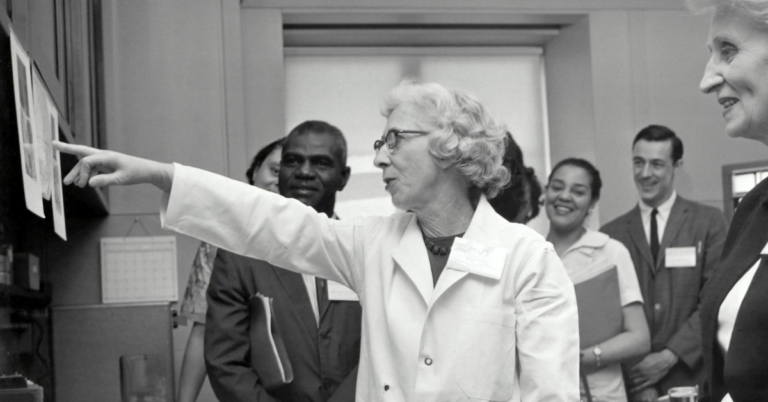
“Science communication works best when centered on teaching and sharing, rather than persuasion, particularly in sensitive topics like climate science.”
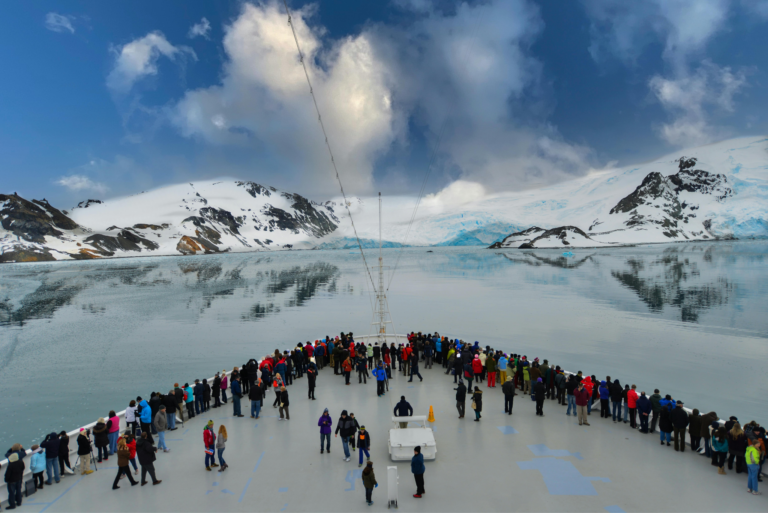
“…involving tourists in scientific projects with scientists can enhance tourists’ interest in Arctic climate change and strengthen science communication and outreach.
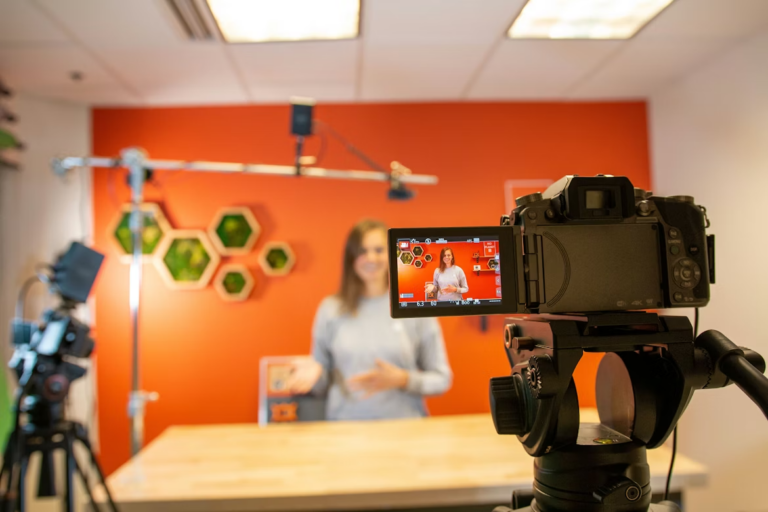
“Although scientific content creators often have a genuine connection to science, they sometimes, whether consciously or not, shift the burden of proof onto the viewer by simply failing to cite sources in their videos.”

Finding the right person to deliver your message can boost its impact.