
Unicorns’ Magical Healing Power: Combatting Misleading Medical Information on Social Media

Paper Title: Addressing misleading medical information on social media: a scoping review of current interventions
Author(s) and Year: Grundtvig Gram E, Moynihan R, Copp T, Shih P, Albarquoni L, Akl E, Smith C, Hardiman L, Nickel B. 2025
Journal: BMJ Evidence-Based Medicine (open access)
TL;DR: Social media spreads medical information fast and furiously with little accountability for the content’s accuracy. However, several strategies have been used to assist with identifying and combating misleading information including educational, debunking, algorithmic, and regulatory responses. Overall, a combination of these tools may yield the best approach to correct misinformation and provide the public with more accurate medical health information to improve personal and public health.
Why I chose this paper: As a toxicologist, I’ve seen Instagram posts and videos touting health or medical information not backed by science. Without debunking, this can lead to real-world health implications. For example, increases in measles cases have been met with online skepticism regarding the seriousness of the disease leading to decreased vaccine use and increase in outbreaks. This paper reviews the effectiveness of combating this type of misinformation and identifies gaps that need to be addressed in order to come up with effective strategies.
The Background
Social Media Favors Sensational Information which Spreads Quickly
Obviously, unicorns don’t exist – and, therefore, don’t have healing powers – but, since social media is designed to favor sensational information, it’d make a great social media campaign. Social media platforms are designed to maximize user engagement, capture attention, and build large audiences, while simultaneously increasing accessibility and enabling the rapid spread of information. However, the same characteristics that make social media highly engaging can also facilitate the spread of misleading medical and health information. This may include information that is false, unverified, unbalanced, or exaggerated in an effort to reach a broader audience. The widespread dissemination of such content can have real-world consequences, influencing how individuals understand health information and make decisions about their care.
For example, a 2021 study examined nearly 1000 TikTok and Instagram posts related to medical tests and found that the overwhelming majority (>90%) contained misleading information. The consequences of spreading misinformation can include delaying necessary medical treatment, encouraging potentially harmful interventions, as well as contributing to unnecessary testing, overdiagnosis, and overtreatment.
Given the potential consequences, it is essential to develop effective strategies for addressing misleading medical information on social media. Although this problem may appear overwhelming, the authors of this paper identified potential approaches for addressing the challenge, including strategies outlined in peer-reviewed literature as well as governmental or organizational regulations in place to enforce scientifically accurate medical information. These strategies may provide useful guidance for policymakers, healthcare professionals, researchers, and members of the public seeking to promote the safe, informed, and sustainable use of medical resources.
The Methods
Where does Accountability Come From?
Once a protocol was developed and established, the researchers conducted a scoping review, which included both peer reviewed citations and grey literature. Overall, 27 peer-reviewed articles and 45 grey literature reports were selected. The majority of the peer-reviewed reports were excluded due to lack of original data.
Both peer-reviewed literature and grey literature are important for combating misleading information. Peer-reviewed literature consists of scholarly work that has been independently evaluated by experts in the field prior to publication while grey literature includes governmental or organizational regulations, which can be powerful tools for regulating and controlling advertising or scientific claims of medical-based products.
Eligibility was based on three criteria:
- responses/solutions to misleading medical information on social media;
- responses to misleading medical information and related terms on social media; and
- citations from academic databases that were peer-reviewed which also included original data and grey literature searches including legal reports and institutional/governmental actions.
The search was performed in 4 different electronic databases for peer-reviewed literature. Grey literature searches were performed in Google, Google Scholar, the website of government/health organizational, and grey literature databases.
The authors selected articles based on the eligibility of the title, abstract, and full-text level articles. The data was extracted in duplicate by the two reviewers. Data extracted from citations included descriptions of intervention, aims, and target group. Governmental and organizational strategies were reported separately to allow for different features that different types of responses have.
The Results
The authors discerned four distinct categories or themes to combat misleading information: educational, debunking, algorithmic, and regulatory responses. However, they did not assess the effectiveness of these different strategies as part of the review.
How to Combat Misinformation?
In the peer reviewed literature, 20 out of 27 (74%) interventions involved targeting the consumer and consisted primarily of targeting misinformation through educational videos and informational material or through evidence reviews and communication. The majority of peer-reviewed responses focused on avoiding misinformation that caused delays in seeking appropriate healthcare and foregoing relevant services.
However, only 2 of the 27-peer-reviewed responses (7.4%) took into consideration the problems of medical overuse – or being misled to take up harmful or non-evidence-based services and treatments. Other interventions aimed to correct misinformation by rebutting claims by credibility or my addressing misperceptions. Most responses targeted general medical misinformation, while others focused on specific topics such as Zika virus, human papillomavirus vaccines, skin cancer, or measles vaccine.
How are Organizations and Governmental Regulations Involved?
Grey literature was identified on 45 independent websites which resulted in 25 responses to misinformation. Of the 25 responses, 16 (64%) targeted industry advertisers, 8 (32%) were educational resources for consumers, industry and health professionals. The remaining were collaborations or programs that monitor advertising activities. None of the organizational or governmental responses analyzed referred explicitly to overuse or overdiagnosis but 16 of 25 (64%) demonstrated a sensitivity to these problems.
Regulations differed across regions. For example, in Australia, the US and China, the advertiser is responsible for the accuracy of content, including third-party distributors. In the European Union, the company sponsoring the advertiser is responsible for the compliance of advertisement. Health Canada’s monitoring program oversees advertising activities on social media with the monitoring program targeting illegal advertising by enforcing compliance, sanctions, and recommending charges when necessary.
The Impact
Overall, efforts to address misleading medical marketing on social media overlook critical aspects related to the unique challenges posed by social media, including the mechanisms through which they are shared and medical overuse. While different types of interventions have been identified or studied and current regulations vary by region, the strategy for combatting misinformation, including medical overuse, requires an interdisciplinary and structural approach.
Although the insights identified across the literature reviewed discuss several of these approaches, combining them may pose the best strategy to reducing the spread and education of medical information. It was also determined that more research or strategies are needed that take into consideration medical overuse which contributes to harm and waste. This is a major challenge that takes resources away from addressing underuse and appropriate care. For example, in the context of social media concerns surrounding measles vaccination, a 2018 study found that effective governmental communication strategies should transparently address and correct misinformation while also acknowledging the emotional concerns of parents who promote anti-vaccination messages on social media. Such an approach was considered instrumental in effectively engaging both pro-vaccination and vaccine-hesitant audiences.
—
Written by Brita Kilburg-Basnyat
Edited by Zoe Chernova and Mykyta ‘Nik’ Kliapets
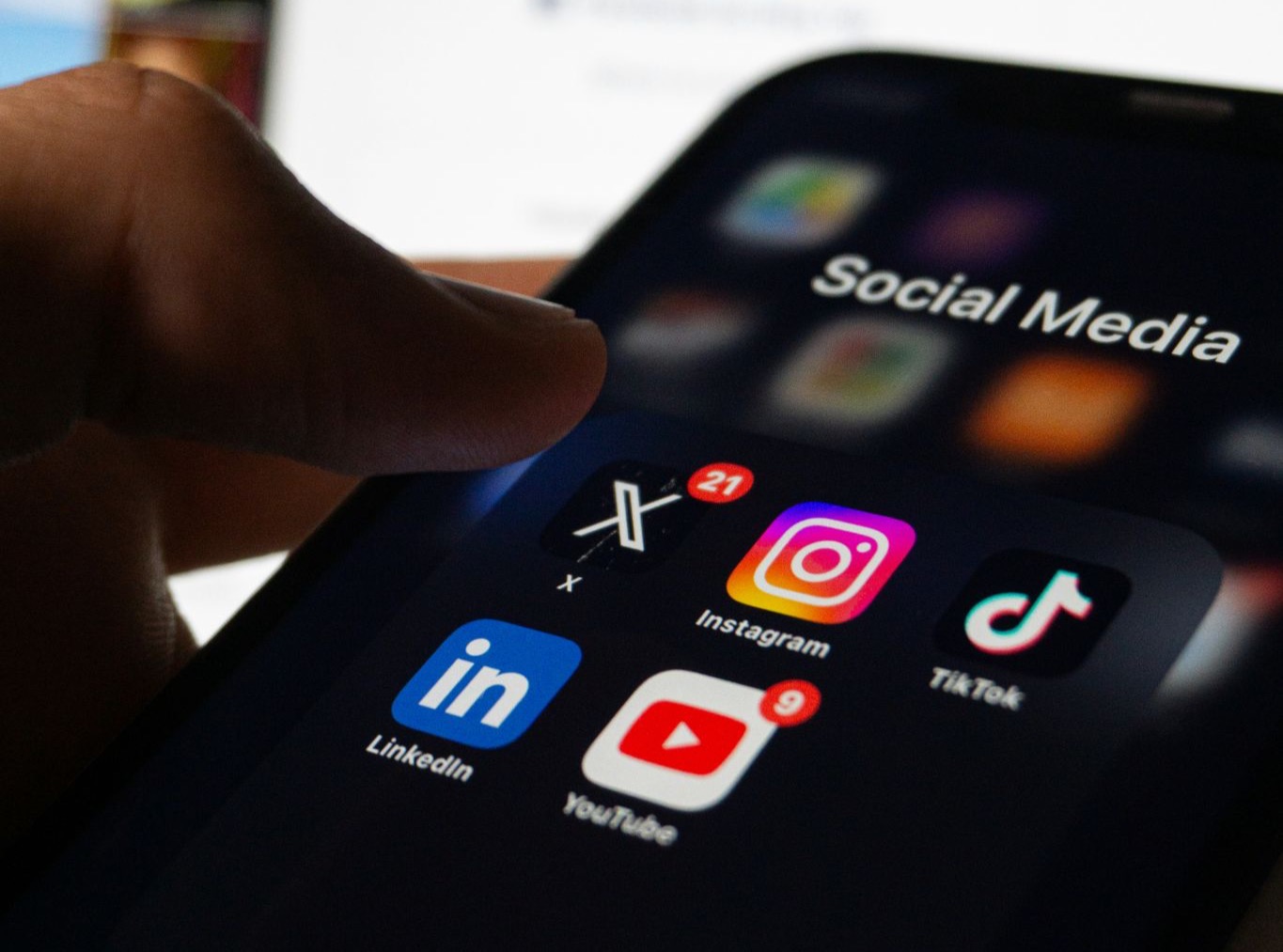
Featured image credit: Berke Citak from Unsplash (under Unsplash License).