
Connecting Oceans to Audiences: How to Communicate Marine Energy Well

Paper Title: A Framework for Effective Science Communication and Outreach Strategies and Dissemination of Research Findings for Marine Energy Projects.
Author(s) and Year:Cailene M. Gunn, Alicia M. Amerson, Kelsey L. Adkisson, and Joseph H Haxel. 2022.
Journal:Journal of Marine Science and Engineering (open access )
TL;DR: The authors developed and implemented an effective science communication framework with specific goals, audiences, and strategies to share marine energy research more clearly and with different types of audiences.
Why I chose this paper: The science communication framework developed in this paper outlines a specific strategy for developing and improving science communication while engaging target audiences in a way that would be widely transferable across scientific disciplines.
The Background
As global energy needs grow, countries are looking for new renewable energy sources such as marine energy. Marine energy uses devices placed in oceans and rivers to capture power from waves, tides, and currents. For example, undersea cables used for power transfer are known sources of electromagnetic fields which can impact marine life. However, decision-makers at government agencies are concerned about the environmental impacts of placing new devices in oceans and rivers. Because of this, they need clear research data to help them permit and monitor marine energy projects.
The Triton Initiative researches environmental monitoring tools and methods to answer the regulators’ and developers’ questions. Since outreach, engagement, and marketing are not typically a component of traditional research, scientific findings often don’t reach their intended audience. In addition, the marine energy field has few communication frameworks to choose from. Field-specific frameworks are critical for shaping goals and communication strategies tailored to the unique audiences of that discipline.
To bridge this gap, the authors created a science communication framework and tested it using the Triton Initiative’s pilot communication program to see whether structured communication could improve outreach and engagement.
The Methods
Scientific Communication Goals Guide Metrics & Strategy
The Triton communications framework drew on a multi-prong approach (see Figure 1) to develop an effective communication strategy. The framework was developed by utilizing the project mission and purpose to develop communication goals:
- “Increase awareness about marine energy and environmental monitoring research being done to reduce barriers to permitting marine energy systems
- Develop and refine tactics to inform stakeholders about Triton’s research.“
After establishing goals, metrics of success were developed that focused on specific, prioritized audiences along with the channels and content relevant to those audiences. Examples included improving website access, leveraging existing social media channels, and developing a variety of events to expand audiences and diversify reach. Measures of success were identified for each channel along with baseline expectations for success including pageviews, open rates, etc. Metrics were used as a baseline for future framework development.
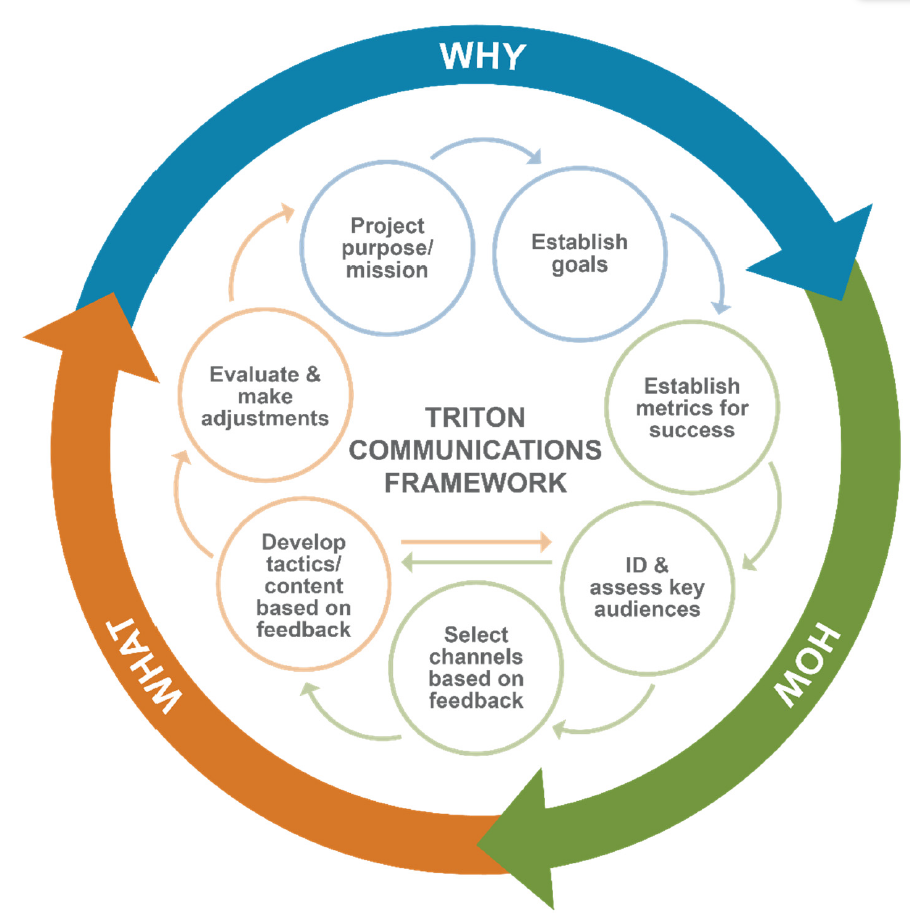
Figure 1. An overview of the Triton communications framework (Diagram by Stephanie King, Pacific Northwest National Laboratory).
Identifying Key Audiences and Soliciting Feedback
Next, key audiences were identified. Through conversations with relevant stakeholders, target audiences were identified as end users of Triton products. This led to an invitation to participate in the science communication process followed by audience analysis to identify and understand the target audiences including their roles, knowledge about research topics, and interests. Through online surveys and a virtual conference workshop, responses were used to improve recommendations, maximize product use, and guide overarching communication themes. This assisted with platform expansion and development including refinement and content on the website, Triton Stories Blog, Newsletter, Social media platforms, webinars, and presentations. Google analytics to track platform interactions and feedback was solicited from target audiences to improve content.
The Results
Target Audiences Define Social Media Content
The authors sought audience feedback through a survey to guide content and identify the audience. Developers, researchers, consultants, and people in policy or government roles were identified as the audience and more than half the respondents were unfamiliar with concepts such as electromagnetic fields as tidal energy devices. Knowledge gaps were used as topics for blog posts and social media content.
The authors then used multiple communication channels to assist with scientific communication reach to anticipated and unexpected audiences. Social media and the resources of collaborators (Pacific Northwest National Laboratory’s existing social media account and a Department of Energy retweet) allowed Triton to reach a broader audience, with total engagements reaching 3675 across social media platforms (from November 2020–September 2021).
Newsletters Performed Well with Target Audiences
The newsletter performed exceptionally well with an average open rate of 50.5% compared with ~25% for government newsletters and a click through rate of 27.6% compared with the industry average of 2%. In April 2021, the newsletter was shared in the U.S. Department of Energy’s Twitter account leading to 17,595 impressions and a target audience that included 41% research partners/universities and 36% marine energy stakeholders/developers.
The Impact
The Triton case study using the science communication framework demonstrated that effective communication requires clear goals and purpose, an understanding of audience needs, varied communication channels, continuous feedback and revision, and collaboration with communication professionals. Backed by demonstrated success, the science communication framework presented in this paper is adaptable across disciplines and provides a scalable, step-by-step approach that can strengthen public engagement, inform decision-making, and amplify the real-world impact of research programs.
Written by Brita Kilburg-Basnyat
Edited by Anika Zaman and Crystal Hrelic Colon
Figure image credit: Stephanie King, Pacific Northwest National Laboratory, used under CC BY 4.0
Featured image credit: Carlos Jamaica via Pexels