
Navigating the wild west of scicomm: is your online content actually any good?
The internet is becoming the wild-west of SciComm where not even the experts can help us distinguish between the good, the bad and the ugly.


The internet is becoming the wild-west of SciComm where not even the experts can help us distinguish between the good, the bad and the ugly.
Concerns about media’s failure to address risks of meditation app highlight the need for balanced and evidence-based support for wellbeing.

Rutgers’ “science in action” documentaries focus on making scientists relatable to increase audience engagement.

Grab headphones for this one! Listen to the data instead of staring at a graph. That’s data sonification making scicomm more inclusive!

Scientists support public engagement, but need support from institutions to be effective.
New research suggests audiences perceive researchers who disclose uncertainty about their work as more objective.
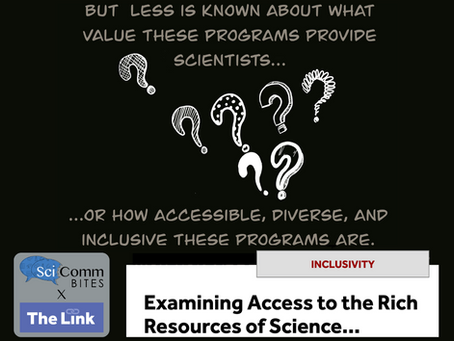
How accessible and inclusive are science communication training fellowship programs? Find out in this article from The Link!
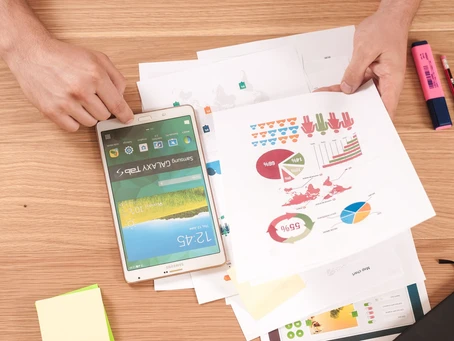
Finding it difficult to avoid using jargon in your science writing? An infographic will help to effectively communicate your message.
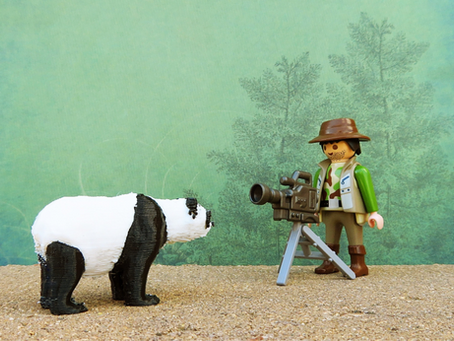
Video abstracts are becoming a more popular part of scientific publications. But what makes a video abstract impactful?

Empirical science communication research on DEI issues is not new, but we are still missing a robust evidence base to define best practice.