
Guess Who? Scientist Edition
“Effective science communication isn’t just about explaining research clearly—it also requires making expertise easier to recognize.”

“Effective science communication isn’t just about explaining research clearly—it also requires making expertise easier to recognize.”

“When users can actively shape what they see, such as on Reddit, they are actually less isolated. It’s platforms with hidden, unchangeable algorithms, like Facebook and Twitter (editor’s note: now X), that lock us into segregated bubbles.”

Linguistic and cultural factors come into play as science communication takes to social media.

How forward facing social media, such as YouTube, can be a gateway for anti-scientific misinformation and conspiracy theories.
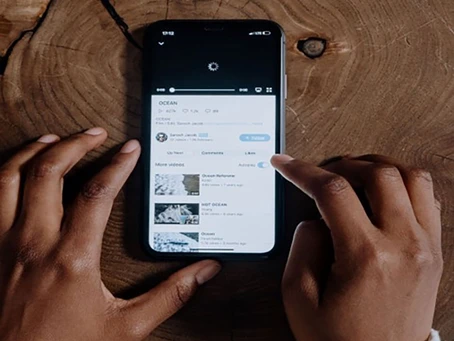
Science YouTube videos that get more likes and are mobile phone friendly could reach more viewers.
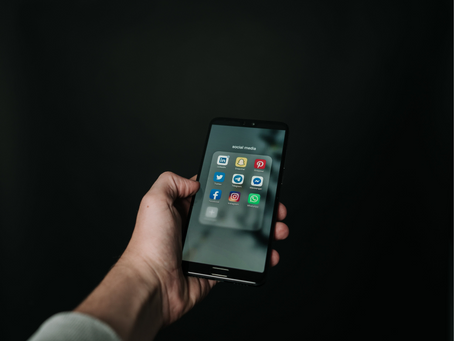
Science influencers rely on identity language to nurture their communities. But this language inadvertently polarizes science.
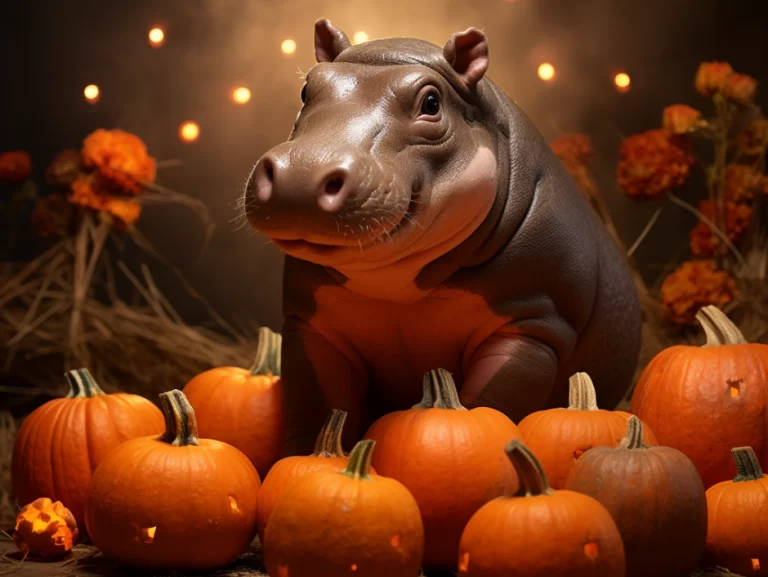
Zoos use YouTube for science communication and choose which animals and educational facts to include, whilst still being entertaining.

This article delves into science communicators’ impact on social media, spotlighting John Green’s #PatientsNotPatents campaign.

Digital media mean that anyone can publish anywhere. Both science journalism and science communication thus need to adapt. Now.

SciComm is kind of like putting on a performance – so let’s consider the people behind the scenes who help make it possible!