
Scientists Are Respected but Not Trusted: Improving Science Communication through Trust
“Science communication works best when centered on teaching and sharing, rather than persuasion, particularly in sensitive topics like climate science.”
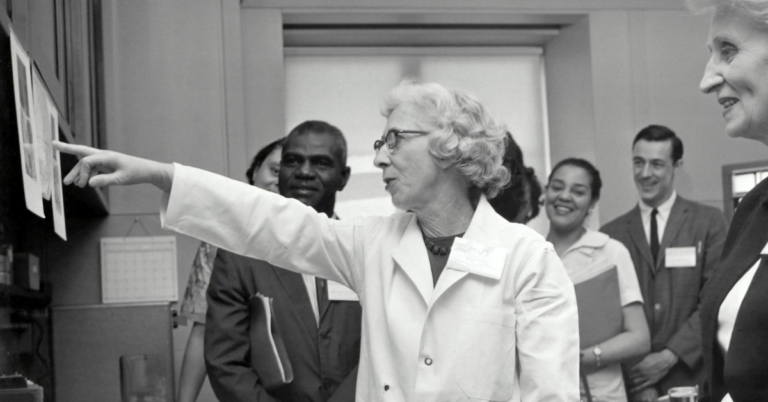
“Science communication works best when centered on teaching and sharing, rather than persuasion, particularly in sensitive topics like climate science.”
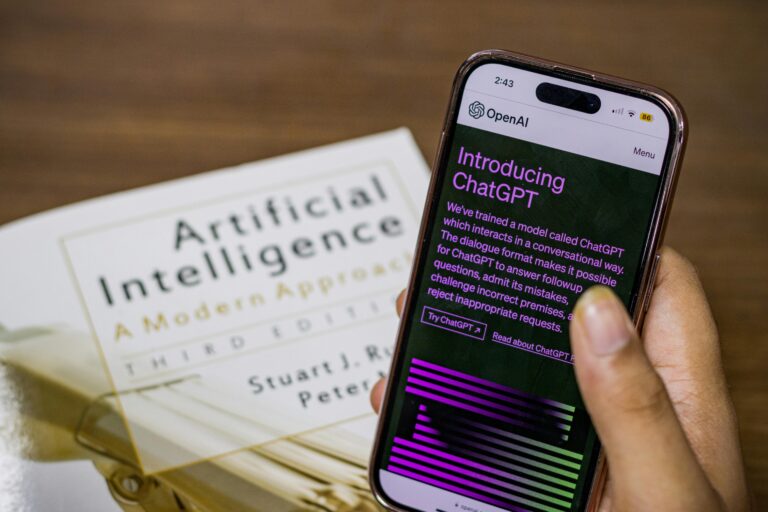
Ok, so we’ve all been guilty of consulting Dr. Google for health advice at some point. However, if a google search pulls up advice from a health expert or a generative AI, which sources are most likely to be trusted?

Scientists break down uncertainty in subthemes to better understand and study public understanding of scientific uncertainty.
Who trusts who? And how? Researchers look at how trust cues influence perceptions of science media.
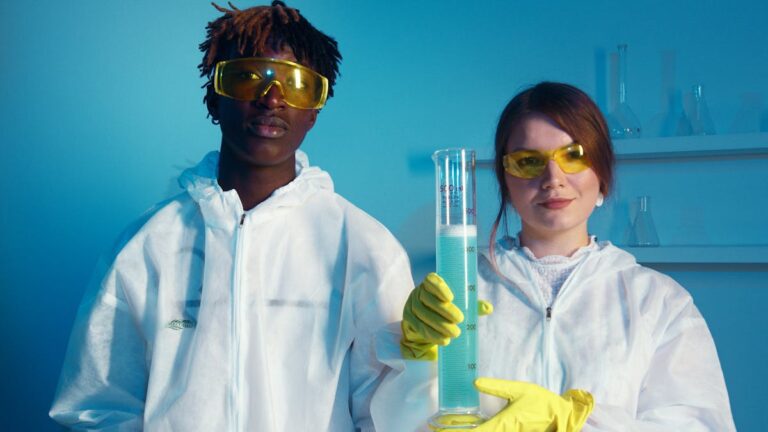
Public trust crisis? Objection! Survey suggests global trust in scientists strong.
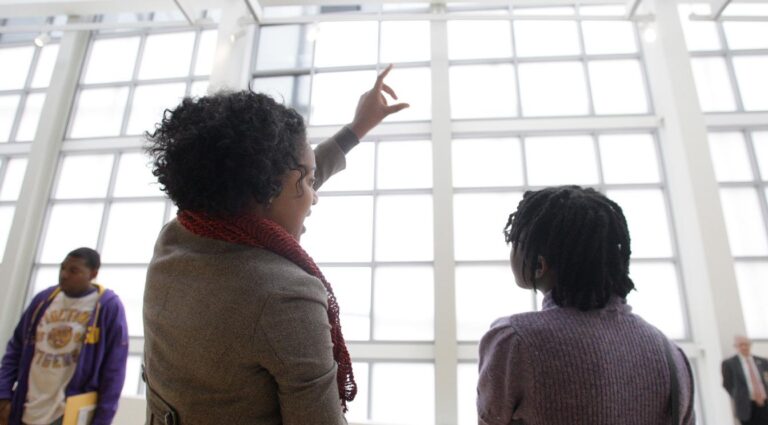
Researchers who share personal details about themselves can increase the layperson’s perception of their benevolence and integrity.

Researchers analyzed data from three surveys, concluding that direct measures of “trust” in scientists are unclear in what they represent.

Rutgers’ “science in action” documentaries focus on making scientists relatable to increase audience engagement.

This article delves into science communicators’ impact on social media, spotlighting John Green’s #PatientsNotPatents campaign.
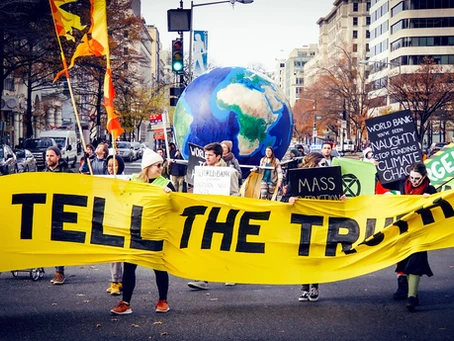
Although the reasons aren’t entirely clear, there is no question that uncivil disagreement erodes trust in science.