
Scientists want to get out of the lab and into public engagement
Scientists support public engagement, but need support from institutions to be effective.


Scientists support public engagement, but need support from institutions to be effective.

Stop, listen, and reflect: How to incorporate reflection in your science communication

Is it better to communicate losses or gains in scicomm? COVID-19 research shows that gain framing may be the better choice.

The COVID-19 pandemic brought many changes, but the traits that make scientists popular in the media are still very similar.

Well-written short stories are potent tools for science communication, engaging audiences and conveying scientific information effectively.

Digital media mean that anyone can publish anywhere. Both science journalism and science communication thus need to adapt. Now.
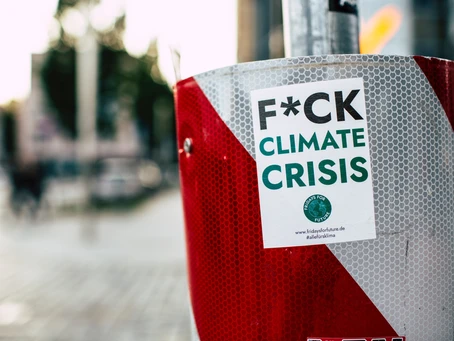
Aggression in climate change communications increase expectancy violation, decreasing willingness to engage in pro-environmental behaviors.
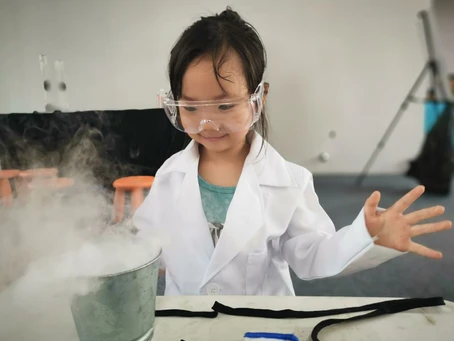
Presenting science as something to do rather than as an identity to inhabit could increase children’s participation in science activities.

Comics are a unique science communication method to engage youth. This study created a set of Covid-19 comics and surveyed students.
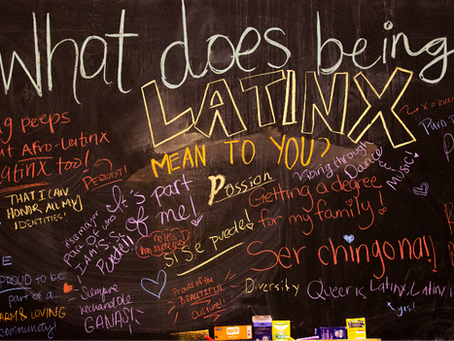
Should scicommers use Hispanic, Latinx, or Latino? There is no clear cut answer. A Pew Research Center Report breaks down this debate.