
User Comments: Do They Affect The Credibility Of Science Stories?
This research seeks to measure the impact of reader online comments to science stories. Do they affect the credibility of the reporting?


This research seeks to measure the impact of reader online comments to science stories. Do they affect the credibility of the reporting?

Unveiling Film’s AI Gender Gap: On-screen AI scientists reflect real-world gender disparity

Rutgers’ “science in action” documentaries focus on making scientists relatable to increase audience engagement.
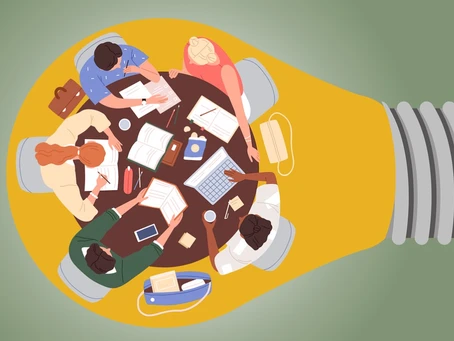
Citizen science may create a new avenue for communication between scientists and the public through hands-on engagement.
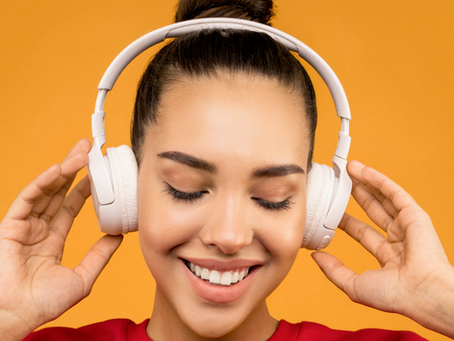
Grab headphones for this one! Listen to the data instead of staring at a graph. That’s data sonification making scicomm more inclusive!
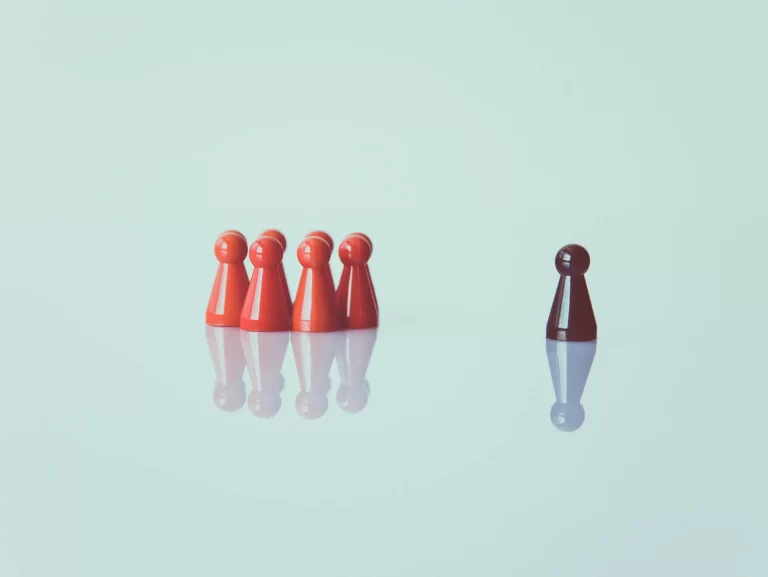
This study identifies Republicans and Evangelicals as two groups who are likely to view scientists as a threat.

Street art such as murals can be a creative means of science communication by transforming public spaces for education and awareness.
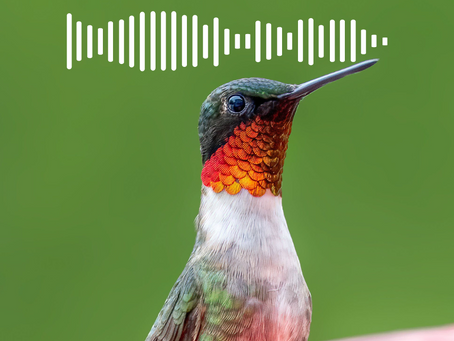
Scientists create a web application that generates soundscapes using bird sounds and population data to communicate climate change.

This study examines user-generated science communication on Reddit’s r/science, exploring topics, user engagement, and moderation.

Matilda effect in science communication: Male authors seen as producing higher scientific quality and more collaboration-worthy than women.