
SciCommBites’ Kirsten and Kay Talk about ComSciCon/CAN 2023!
Two members of our admin team attended the flagship American and Canadian ComSciCons last year. Here’s what they had to say!

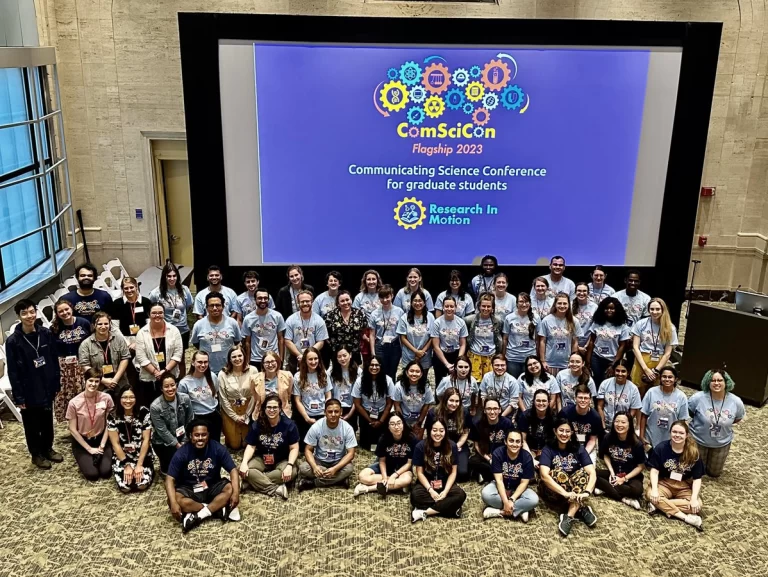
Two members of our admin team attended the flagship American and Canadian ComSciCons last year. Here’s what they had to say!

Using Brand Concept Management to evaluate science communication and the brand of Science.
SciCommBites X SciPEP collaboration: This SciCommBites summary is the fourth and last in our coverage of the two day SciPEP conference.

Researchers categorized scientists into 4 distinct personas in their interactions with journalists.

Science Festivals are great for science communication but it is important to recognize the differences and evaluate them with context.

Science Festivals can impact audiences by making sure to be personally relevant, accessible, and inte

This Beyond articles explores four different careers in science communications with insight from professionals.
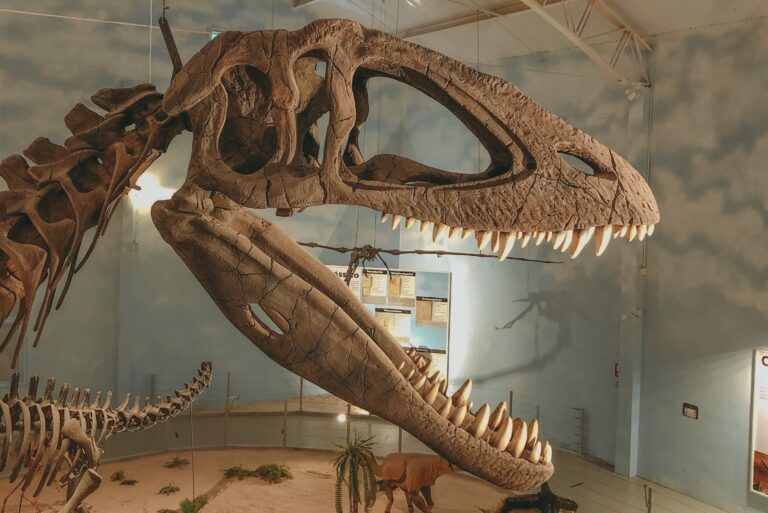
Science museum educators agree that touchable and authentic objects are important for engaging the public in science.

Cross-country analysis reveals how media portray climate futures, showing varying degrees of distance based on scenario types and evaluation
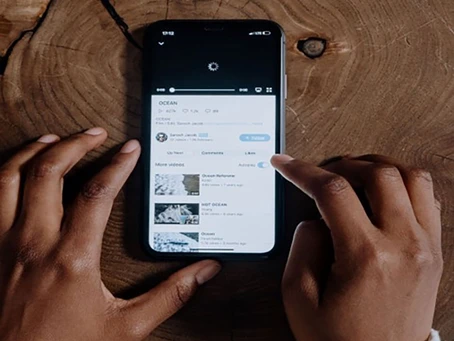
Science YouTube videos that get more likes and are mobile phone friendly could reach more viewers.